Abu Dhabi, the capital of the United Arab Emirates (UAE), is a major hub for international trade and commerce. In order to facilitate trade between Abu Dhabi and its trading partners, the UAE has entered into various trade agreements, including agreements that address technical barriers to trade (TBT).
Category : | Sub Category : Posted on 2024-11-05 22:25:23
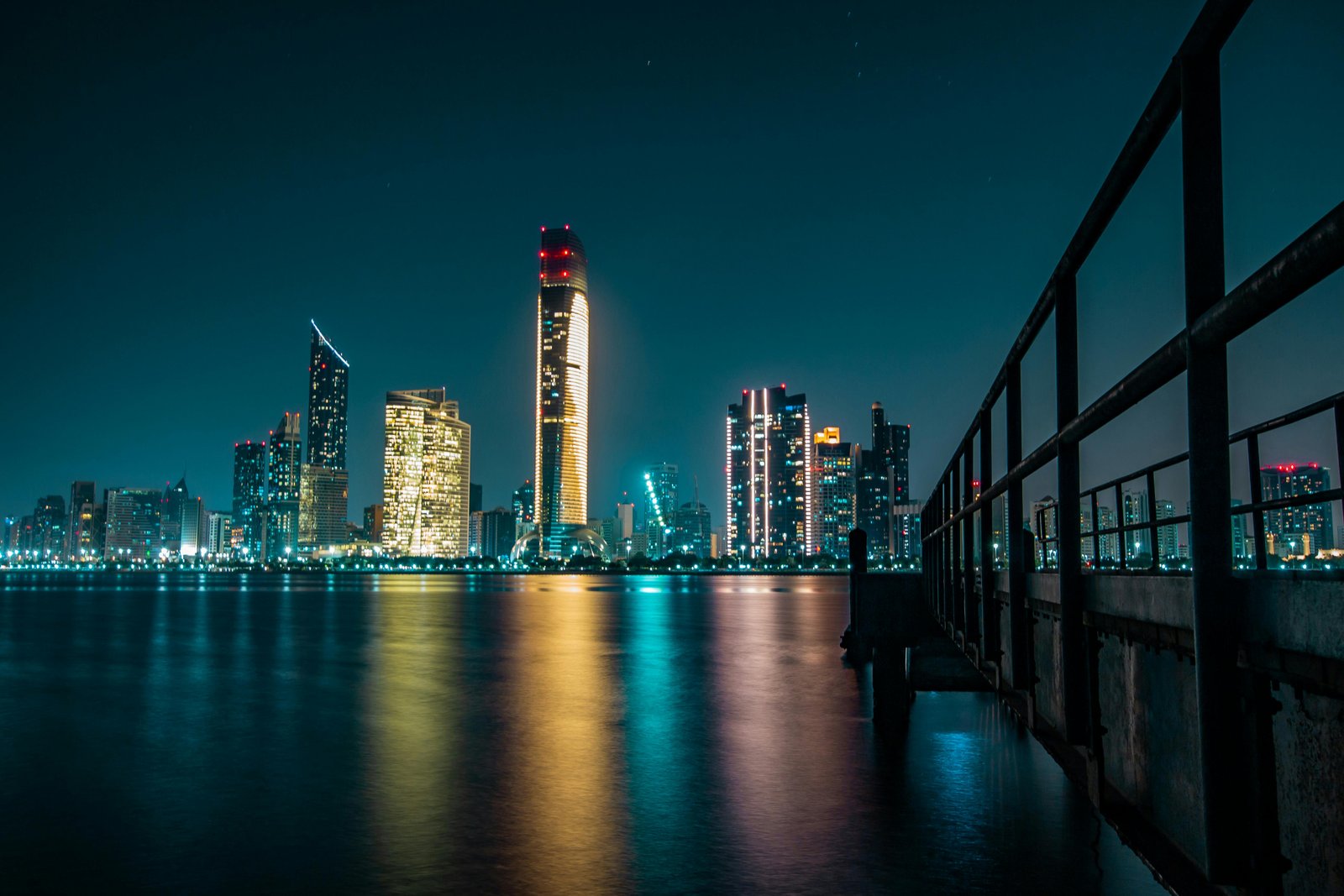
Technical barriers to trade refer to regulations, standards, and procedures that can hinder or restrict international trade. These barriers can include product testing and certification requirements, labeling regulations, and packaging specifications, among others. While these measures are often put in place to protect consumers, public health, or the environment, they can also create obstacles for exporters and importers. Trade agreements that address technical barriers to trade, such as the TBT agreement, aim to harmonize regulations and standards between trading partners. By aligning their technical requirements, countries can reduce redundant testing and certification processes, making it easier for businesses to trade across borders. In the case of Abu Dhabi and the UAE, trade agreements that address TBT play a crucial role in facilitating trade with other countries. By ensuring that technical regulations are transparent, based on science, and not more trade-restrictive than necessary, these agreements help promote a more predictable and level playing field for businesses. Additionally, trade agreements that address TBT can help enhance regulatory cooperation between countries. This can lead to the mutual recognition of standards and certifications, allowing products that meet the requirements of one country to be accepted in another without the need for additional testing or re-certification. Overall, trade agreements that address technical barriers to trade are essential for promoting a smooth flow of goods and services between Abu Dhabi, the UAE, and its trading partners. By promoting transparency, cooperation, and harmonization of regulations, these agreements help create a more conducive environment for businesses to engage in international trade.
https://genauigkeit.com
Leave a Comment:
SEARCH
Recent News
- Zurich, Switzerland and Tunisia are two countries that are geographically distant but connected through various global issues and news events. Let's take a look at some of the recent news coming out of these two diverse locations.
- Switzerland is widely known for its breathtaking landscapes, high standard of living, and efficient public transportation system. Zurich, the largest city in Switzerland, perfectly embodies these characteristics and offers visitors a unique blend of culture, history, and natural beauty. In this Tunisian travel guide to Zurich, we will explore some of the must-visit attractions, delicious cuisine to try, and practical tips for making the most of your trip.
- Zurich, Switzerland is a charming city known for its stunning architecture, picturesque landscapes, and vibrant culture. It is a popular destination for tourists from all over the world, offering a mix of historical sites, modern amenities, and breathtaking natural beauty. One of the must-visit places in Zurich is the old town, where you can stroll through narrow cobblestone streets lined with shops, cafes, and historic buildings.
- Zurich, Switzerland is a vibrant city known for its rich cultural scene and diverse music offerings. One unique aspect of Zurich's music scene is the presence of Sudanese music, which has found a home in the city's melting pot of cultures.
- Zurich, Switzerland is a vibrant city known for its picturesque landscapes, rich history, and diverse cultural scene. One fascinating aspect of Zurich's cultural tapestry is the influence of Sudanese culture in the city.
- Zurich, Switzerland is known for its multicultural atmosphere and diverse culinary scene. One of the lesser-known gems of Zurich's food scene is Sudanese cuisine. Sudanese cuisine is a reflection of the country's diverse cultural influences, blending Arabic, African, and Mediterranean flavors to create a unique and delicious culinary experience.
- Zurich, Switzerland, is a vibrant city known for its scenic beauty, rich history, and thriving business environment. One interesting aspect of Zurich's business landscape is the presence of Sudanese entrepreneurs who have made their mark in various industries in the city.
- Rebuilding Syria's Economy After the Dictatorship: Lessons from Zurich, Switzerland
READ MORE
11 months ago Category :

Zurich, Switzerland and Tunisia are two countries that are geographically distant but connected through various global issues and news events. Let's take a look at some of the recent news coming out of these two diverse locations.
Read More →11 months ago Category :

Switzerland is widely known for its breathtaking landscapes, high standard of living, and efficient public transportation system. Zurich, the largest city in Switzerland, perfectly embodies these characteristics and offers visitors a unique blend of culture, history, and natural beauty. In this Tunisian travel guide to Zurich, we will explore some of the must-visit attractions, delicious cuisine to try, and practical tips for making the most of your trip.
Read More →11 months ago Category :

Zurich, Switzerland is a charming city known for its stunning architecture, picturesque landscapes, and vibrant culture. It is a popular destination for tourists from all over the world, offering a mix of historical sites, modern amenities, and breathtaking natural beauty. One of the must-visit places in Zurich is the old town, where you can stroll through narrow cobblestone streets lined with shops, cafes, and historic buildings.
Read More →11 months ago Category :
