Corruption and Religious Power in Abu Dhabi, UAE: A Closer Look
Category : | Sub Category : Posted on 2024-11-05 22:25:23
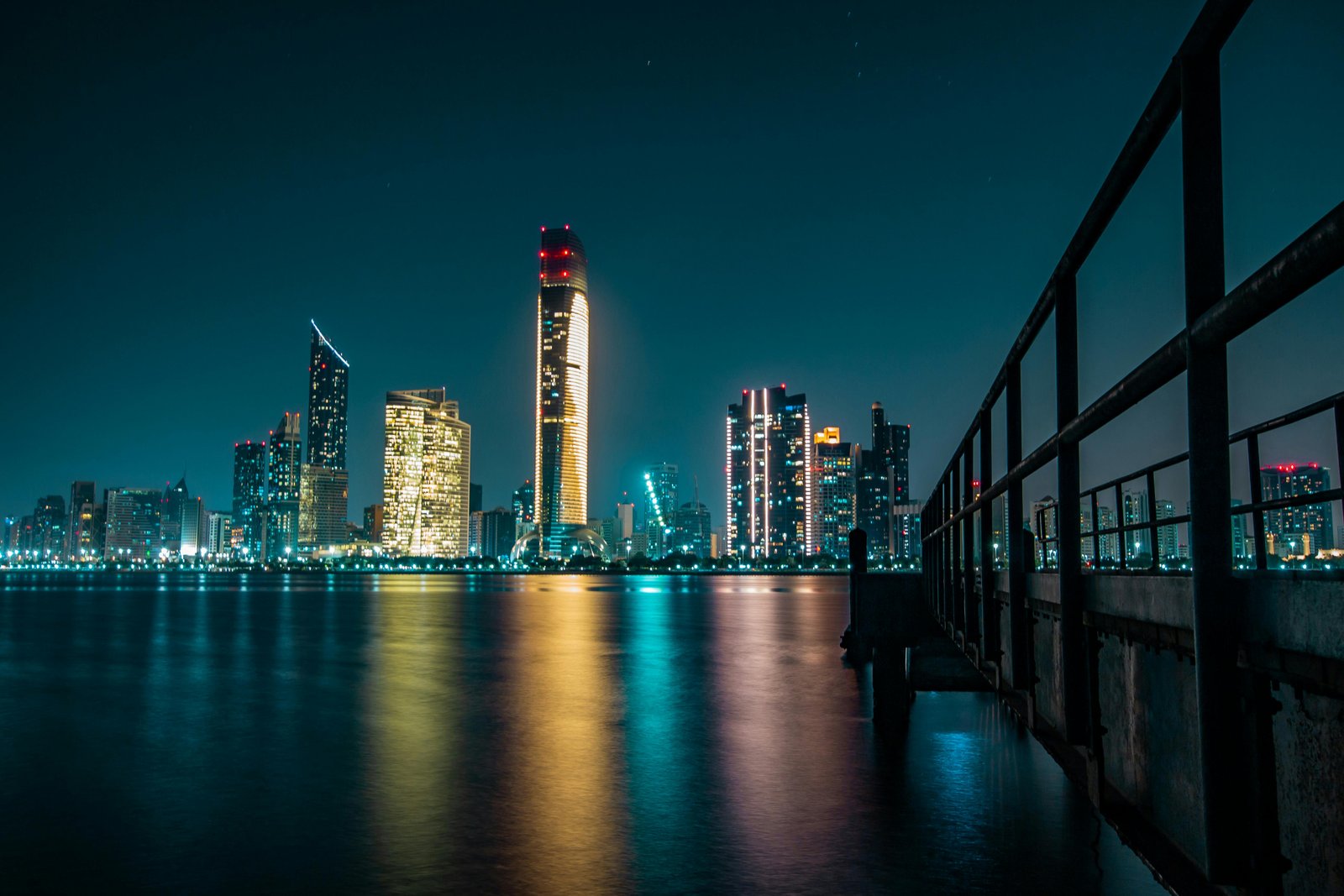
Abu Dhabi, the capital city of the United Arab Emirates (UAE), is known for its glitzy skyscrapers, luxurious resorts, and booming economy. However, beneath the facade of wealth and prosperity lies a darker reality that often goes unnoticed - the intersection of corruption and religious power. Corruption is a pervasive issue in many parts of the world, and the UAE is no exception. Despite the government's efforts to combat corruption through various laws and regulations, instances of corruption still occur at different levels of society. From bribery and embezzlement to nepotism and cronyism, corrupt practices can be found in government institutions, business dealings, and even among religious leaders. Religious power also plays a significant role in shaping the social and political landscape of Abu Dhabi and the UAE as a whole. Islam is the official religion of the country, and religious leaders wield considerable influence over the lives of the people. This influence can be used for both positive and negative purposes, depending on the intentions of those in power. When corruption and religious power intersect, the consequences can be particularly damaging. Religious leaders who engage in corrupt practices not only betray the trust of their followers but also undermine the moral authority of their faith. Similarly, corrupt individuals who use their positions of power to manipulate religious teachings for personal gain can cause widespread harm to society. In Abu Dhabi, efforts are being made to address the issue of corruption and ensure that those in positions of religious power act with accountability and integrity. The government has implemented anti-corruption measures, such as the establishment of specialized anti-corruption agencies and the adoption of transparency reforms. At the same time, religious institutions are being encouraged to promote ethical conduct among their members and to uphold the values of honesty and justice. Ultimately, combating corruption and promoting ethical behavior in the realm of religious power require a multi-faceted approach that involves the government, religious leaders, civil society organizations, and the general public. By working together to hold those in power accountable and uphold the principles of transparency and integrity, the people of Abu Dhabi can help build a more just and equitable society for all. In conclusion, the intersection of corruption and religious power in Abu Dhabi poses significant challenges to the country's social and political fabric. However, with concerted efforts to combat corruption and promote ethical behavior, there is hope for a brighter future where justice and integrity prevail. It is up to the people of Abu Dhabi to demand accountability from their leaders and hold them to the highest standards of transparency and honesty. Get more at https://www.advisedly.net
https://sunpowerpanels.com
https://religieuse.org
Leave a Comment:
SEARCH
Recent News
- Zurich, Switzerland and Tunisia are two countries that are geographically distant but connected through various global issues and news events. Let's take a look at some of the recent news coming out of these two diverse locations.
- Switzerland is widely known for its breathtaking landscapes, high standard of living, and efficient public transportation system. Zurich, the largest city in Switzerland, perfectly embodies these characteristics and offers visitors a unique blend of culture, history, and natural beauty. In this Tunisian travel guide to Zurich, we will explore some of the must-visit attractions, delicious cuisine to try, and practical tips for making the most of your trip.
- Zurich, Switzerland is a charming city known for its stunning architecture, picturesque landscapes, and vibrant culture. It is a popular destination for tourists from all over the world, offering a mix of historical sites, modern amenities, and breathtaking natural beauty. One of the must-visit places in Zurich is the old town, where you can stroll through narrow cobblestone streets lined with shops, cafes, and historic buildings.
- Zurich, Switzerland is a vibrant city known for its rich cultural scene and diverse music offerings. One unique aspect of Zurich's music scene is the presence of Sudanese music, which has found a home in the city's melting pot of cultures.
- Zurich, Switzerland is a vibrant city known for its picturesque landscapes, rich history, and diverse cultural scene. One fascinating aspect of Zurich's cultural tapestry is the influence of Sudanese culture in the city.
- Zurich, Switzerland is known for its multicultural atmosphere and diverse culinary scene. One of the lesser-known gems of Zurich's food scene is Sudanese cuisine. Sudanese cuisine is a reflection of the country's diverse cultural influences, blending Arabic, African, and Mediterranean flavors to create a unique and delicious culinary experience.
- Zurich, Switzerland, is a vibrant city known for its scenic beauty, rich history, and thriving business environment. One interesting aspect of Zurich's business landscape is the presence of Sudanese entrepreneurs who have made their mark in various industries in the city.
- Rebuilding Syria's Economy After the Dictatorship: Lessons from Zurich, Switzerland
READ MORE
11 months ago Category :

Zurich, Switzerland and Tunisia are two countries that are geographically distant but connected through various global issues and news events. Let's take a look at some of the recent news coming out of these two diverse locations.
Read More →11 months ago Category :

Switzerland is widely known for its breathtaking landscapes, high standard of living, and efficient public transportation system. Zurich, the largest city in Switzerland, perfectly embodies these characteristics and offers visitors a unique blend of culture, history, and natural beauty. In this Tunisian travel guide to Zurich, we will explore some of the must-visit attractions, delicious cuisine to try, and practical tips for making the most of your trip.
Read More →11 months ago Category :

Zurich, Switzerland is a charming city known for its stunning architecture, picturesque landscapes, and vibrant culture. It is a popular destination for tourists from all over the world, offering a mix of historical sites, modern amenities, and breathtaking natural beauty. One of the must-visit places in Zurich is the old town, where you can stroll through narrow cobblestone streets lined with shops, cafes, and historic buildings.
Read More →11 months ago Category :
