The Role of Arab Cows in Abu Dhabi, UAE
Category : | Sub Category : Posted on 2024-11-05 22:25:23
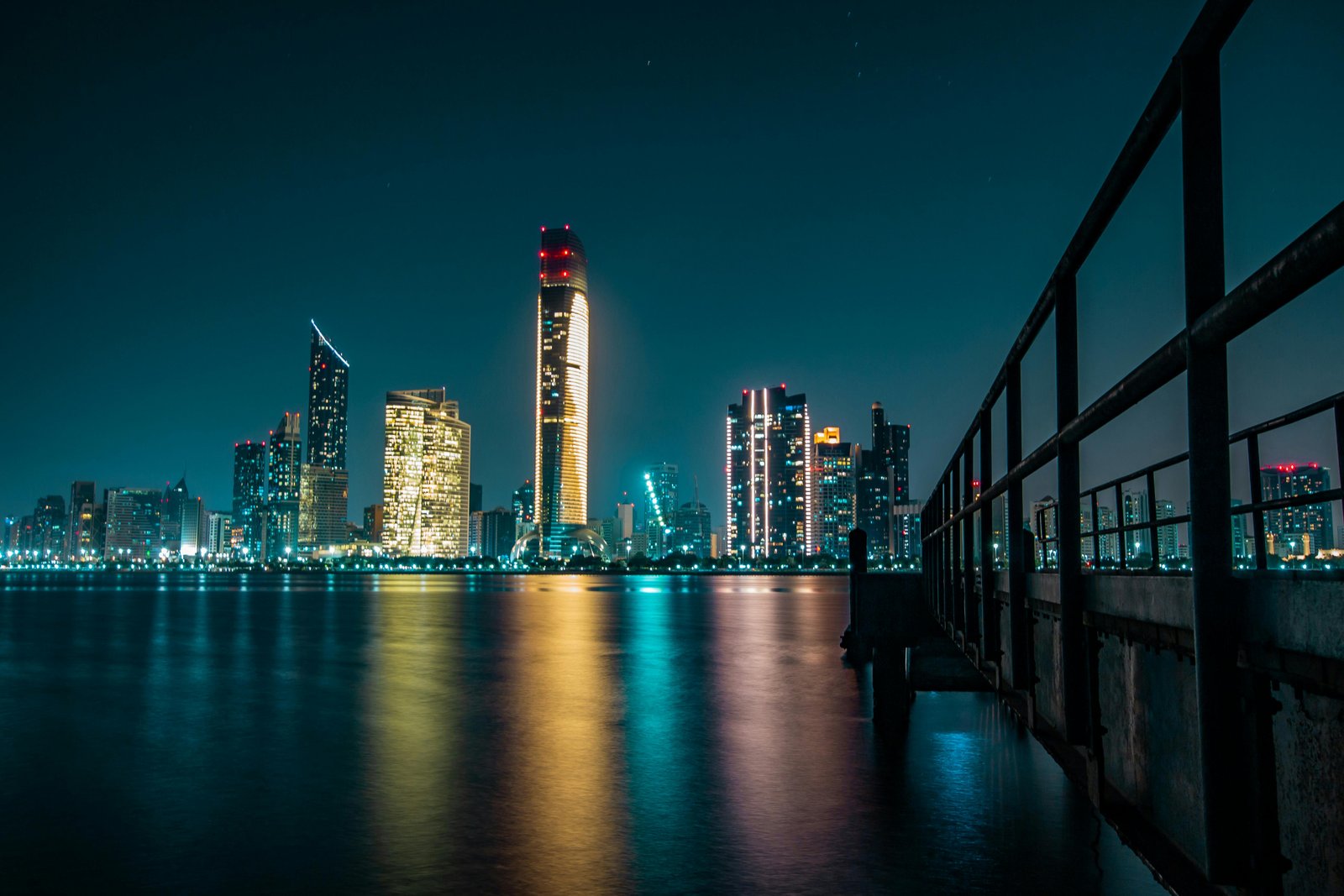
When one thinks of Abu Dhabi in the United Arab Emirates, the image of futuristic skyscrapers, luxury shopping malls, and grand mosques often comes to mind. However, amidst the glitz and glamour of this modern metropolis, a humble yet significant aspect of Abu Dhabi's culture and economy thrives - Arab cows. Arab cows, also known as local or indigenous cows, play a crucial role in the agricultural sector of Abu Dhabi. These cows are specifically bred to withstand the harsh desert climate of the region and are well-adapted to the arid conditions. With their ability to thrive on minimal water and sparse vegetation, Arab cows are a sustainable livestock option for farmers in Abu Dhabi. These cows provide a vital source of dairy and meat products for the local population. Fresh camel milk, in particular, is highly valued for its nutritional benefits and is a staple in the diet of many Emiratis. Additionally, camel meat is a delicacy enjoyed on special occasions and is an integral part of traditional Emirati cuisine. In recent years, the UAE government has been actively promoting the breeding and conservation of Arab cows to preserve this unique genetic heritage. Programs and initiatives have been implemented to support local farmers in enhancing the productivity and quality of Arab cows, ensuring their continued contribution to the agricultural sector. Moreover, the cultural significance of Arab cows cannot be overlooked. These animals hold a special place in Emirati heritage and are featured in traditional folklore, poetry, and art. The relationship between the people of Abu Dhabi and their cows is deeply rooted in history and symbolizes resilience, sustainability, and unity. In conclusion, Arab cows in Abu Dhabi, UAE, are not just livestock - they are a symbol of the rich agricultural traditions, cultural heritage, and sustainable practices that define the region. As Abu Dhabi continues to embrace modernity and progress, the role of Arab cows remains integral to the fabric of its identity and economy. also don't miss more information at https://www.chatarabonline.com
https://egyptwn.com
Leave a Comment:
SEARCH
Recent News
- Zurich, Switzerland and Tunisia are two countries that are geographically distant but connected through various global issues and news events. Let's take a look at some of the recent news coming out of these two diverse locations.
- Switzerland is widely known for its breathtaking landscapes, high standard of living, and efficient public transportation system. Zurich, the largest city in Switzerland, perfectly embodies these characteristics and offers visitors a unique blend of culture, history, and natural beauty. In this Tunisian travel guide to Zurich, we will explore some of the must-visit attractions, delicious cuisine to try, and practical tips for making the most of your trip.
- Zurich, Switzerland is a charming city known for its stunning architecture, picturesque landscapes, and vibrant culture. It is a popular destination for tourists from all over the world, offering a mix of historical sites, modern amenities, and breathtaking natural beauty. One of the must-visit places in Zurich is the old town, where you can stroll through narrow cobblestone streets lined with shops, cafes, and historic buildings.
- Zurich, Switzerland is a vibrant city known for its rich cultural scene and diverse music offerings. One unique aspect of Zurich's music scene is the presence of Sudanese music, which has found a home in the city's melting pot of cultures.
- Zurich, Switzerland is a vibrant city known for its picturesque landscapes, rich history, and diverse cultural scene. One fascinating aspect of Zurich's cultural tapestry is the influence of Sudanese culture in the city.
- Zurich, Switzerland is known for its multicultural atmosphere and diverse culinary scene. One of the lesser-known gems of Zurich's food scene is Sudanese cuisine. Sudanese cuisine is a reflection of the country's diverse cultural influences, blending Arabic, African, and Mediterranean flavors to create a unique and delicious culinary experience.
- Zurich, Switzerland, is a vibrant city known for its scenic beauty, rich history, and thriving business environment. One interesting aspect of Zurich's business landscape is the presence of Sudanese entrepreneurs who have made their mark in various industries in the city.
- Rebuilding Syria's Economy After the Dictatorship: Lessons from Zurich, Switzerland
READ MORE
11 months ago Category :

Zurich, Switzerland and Tunisia are two countries that are geographically distant but connected through various global issues and news events. Let's take a look at some of the recent news coming out of these two diverse locations.
Read More →11 months ago Category :

Switzerland is widely known for its breathtaking landscapes, high standard of living, and efficient public transportation system. Zurich, the largest city in Switzerland, perfectly embodies these characteristics and offers visitors a unique blend of culture, history, and natural beauty. In this Tunisian travel guide to Zurich, we will explore some of the must-visit attractions, delicious cuisine to try, and practical tips for making the most of your trip.
Read More →11 months ago Category :

Zurich, Switzerland is a charming city known for its stunning architecture, picturesque landscapes, and vibrant culture. It is a popular destination for tourists from all over the world, offering a mix of historical sites, modern amenities, and breathtaking natural beauty. One of the must-visit places in Zurich is the old town, where you can stroll through narrow cobblestone streets lined with shops, cafes, and historic buildings.
Read More →11 months ago Category :
