Arab Influence: Comparing Karachi, Pakistan and Abu Dhabi, UAE
Category : | Sub Category : Posted on 2024-11-05 22:25:23
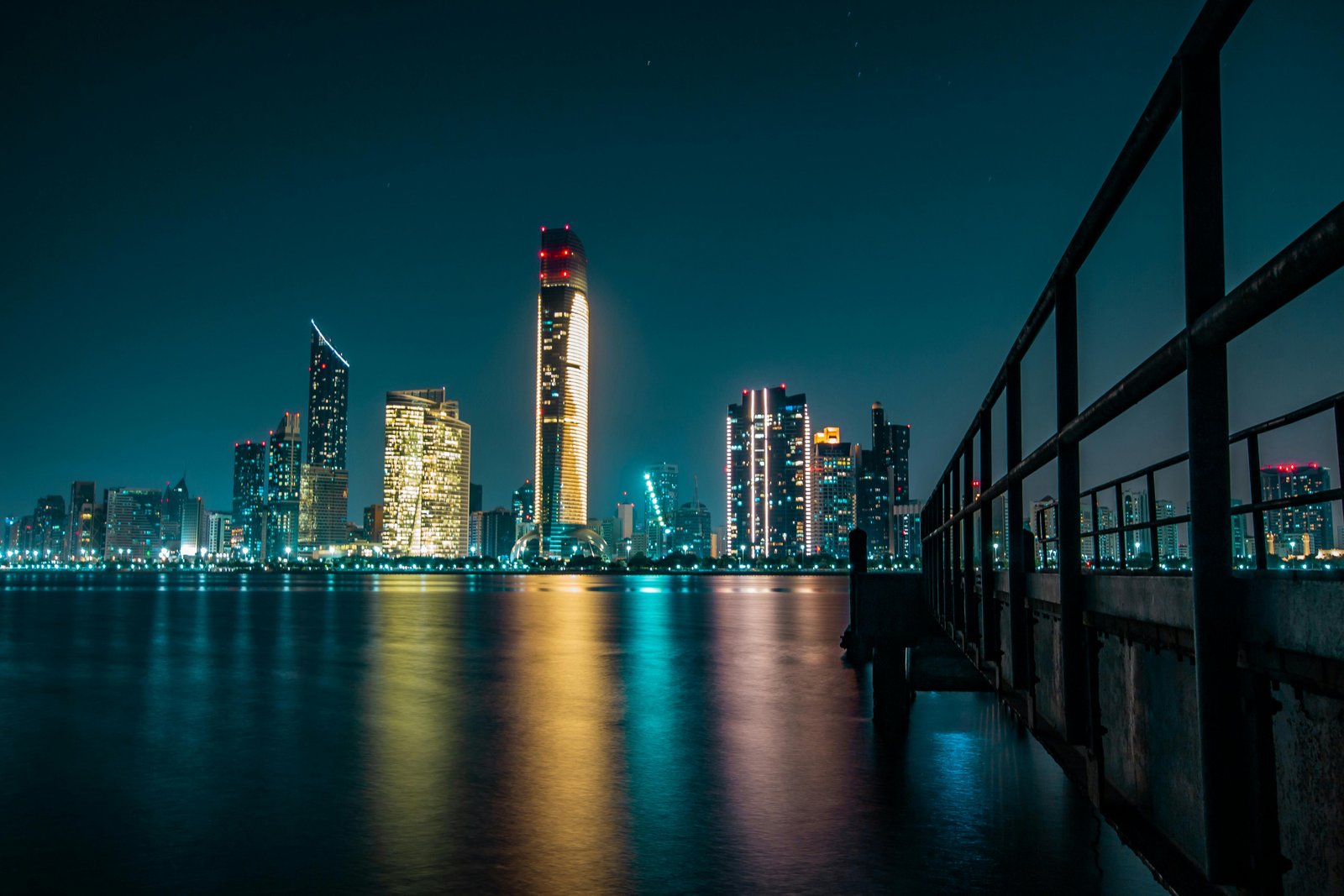
The cultural tapestry of Karachi, Pakistan, and Abu Dhabi, UAE, reflects a beautiful fusion of Arab influences that have shaped the identities of these vibrant cities. While both cities have distinct characteristics that set them apart, they also share certain commonalities due to historical connections with the Arab world. Karachi, the bustling metropolis of Pakistan, serves as a melting pot of cultures where influences from various regions come together harmoniously. The Arab influence in Karachi can be observed in the city's architecture, cuisine, and language. The Mughal and Islamic architectural styles seen in different parts of Karachi bear a resemblance to the traditional Arab designs, showcasing the cultural exchange that has taken place over the centuries. One of the most evident markers of Arab influence in Karachi is its culinary scene. Arabian dishes such as hummus, falafel, and shawarma have become popular among Karachi's residents, reflecting the Arab culinary traditions that have been embraced and integrated into the local food culture. The flavors and spices used in Arab cuisine have found a special place in the hearts of Karachiites, adding a diverse dimension to the city's food offerings. On the other hand, Abu Dhabi, the capital of the UAE, stands as a modern and cosmopolitan city that celebrates its Arab heritage while embracing global influences. The Arab influence in Abu Dhabi is deeply rooted in the city's traditional values, customs, and way of life. From the majestic Sheikh Zayed Grand Mosque to the traditional souks (markets), Abu Dhabi showcases the rich cultural heritage of the Arab world. In terms of architecture, Abu Dhabi's skyline is dominated by modern skyscrapers that blend contemporary design with traditional Arab elements, creating a unique visual identity for the city. The use of geometric patterns, arches, and domes in Abu Dhabi's architecture pays homage to the Arab architectural heritage while embracing innovation and modernity. While Karachi and Abu Dhabi have distinct identities shaped by their respective histories and geographic locations, the Arab influence serves as a common thread that ties them together. This shared heritage fosters cultural exchanges and collaborations, enriching the social fabric of both cities and creating a sense of unity amidst diversity. In conclusion, the Arab influence in Karachi, Pakistan, and Abu Dhabi, UAE, is a testament to the enduring connections between different cultures and regions. As these cities continue to evolve and grow, their shared heritage will remain a source of inspiration and celebration, fostering mutual understanding and appreciation among their residents and visitors alike. If you are enthusiast, check this out https://www.onlinebanat.com To understand this better, read https://www.uuae.org For a broader exploration, take a look at https://www.chatarabonline.com
https://egyptwn.com
Leave a Comment:
SEARCH
Recent News
- Zurich, Switzerland and Tunisia are two countries that are geographically distant but connected through various global issues and news events. Let's take a look at some of the recent news coming out of these two diverse locations.
- Switzerland is widely known for its breathtaking landscapes, high standard of living, and efficient public transportation system. Zurich, the largest city in Switzerland, perfectly embodies these characteristics and offers visitors a unique blend of culture, history, and natural beauty. In this Tunisian travel guide to Zurich, we will explore some of the must-visit attractions, delicious cuisine to try, and practical tips for making the most of your trip.
- Zurich, Switzerland is a charming city known for its stunning architecture, picturesque landscapes, and vibrant culture. It is a popular destination for tourists from all over the world, offering a mix of historical sites, modern amenities, and breathtaking natural beauty. One of the must-visit places in Zurich is the old town, where you can stroll through narrow cobblestone streets lined with shops, cafes, and historic buildings.
- Zurich, Switzerland is a vibrant city known for its rich cultural scene and diverse music offerings. One unique aspect of Zurich's music scene is the presence of Sudanese music, which has found a home in the city's melting pot of cultures.
- Zurich, Switzerland is a vibrant city known for its picturesque landscapes, rich history, and diverse cultural scene. One fascinating aspect of Zurich's cultural tapestry is the influence of Sudanese culture in the city.
- Zurich, Switzerland is known for its multicultural atmosphere and diverse culinary scene. One of the lesser-known gems of Zurich's food scene is Sudanese cuisine. Sudanese cuisine is a reflection of the country's diverse cultural influences, blending Arabic, African, and Mediterranean flavors to create a unique and delicious culinary experience.
- Zurich, Switzerland, is a vibrant city known for its scenic beauty, rich history, and thriving business environment. One interesting aspect of Zurich's business landscape is the presence of Sudanese entrepreneurs who have made their mark in various industries in the city.
- Rebuilding Syria's Economy After the Dictatorship: Lessons from Zurich, Switzerland
READ MORE
11 months ago Category :

Zurich, Switzerland and Tunisia are two countries that are geographically distant but connected through various global issues and news events. Let's take a look at some of the recent news coming out of these two diverse locations.
Read More →11 months ago Category :

Switzerland is widely known for its breathtaking landscapes, high standard of living, and efficient public transportation system. Zurich, the largest city in Switzerland, perfectly embodies these characteristics and offers visitors a unique blend of culture, history, and natural beauty. In this Tunisian travel guide to Zurich, we will explore some of the must-visit attractions, delicious cuisine to try, and practical tips for making the most of your trip.
Read More →11 months ago Category :

Zurich, Switzerland is a charming city known for its stunning architecture, picturesque landscapes, and vibrant culture. It is a popular destination for tourists from all over the world, offering a mix of historical sites, modern amenities, and breathtaking natural beauty. One of the must-visit places in Zurich is the old town, where you can stroll through narrow cobblestone streets lined with shops, cafes, and historic buildings.
Read More →11 months ago Category :
