Navigating Arab Law and Regulations in Abu Dhabi, UAE
Category : | Sub Category : Posted on 2024-11-05 22:25:23
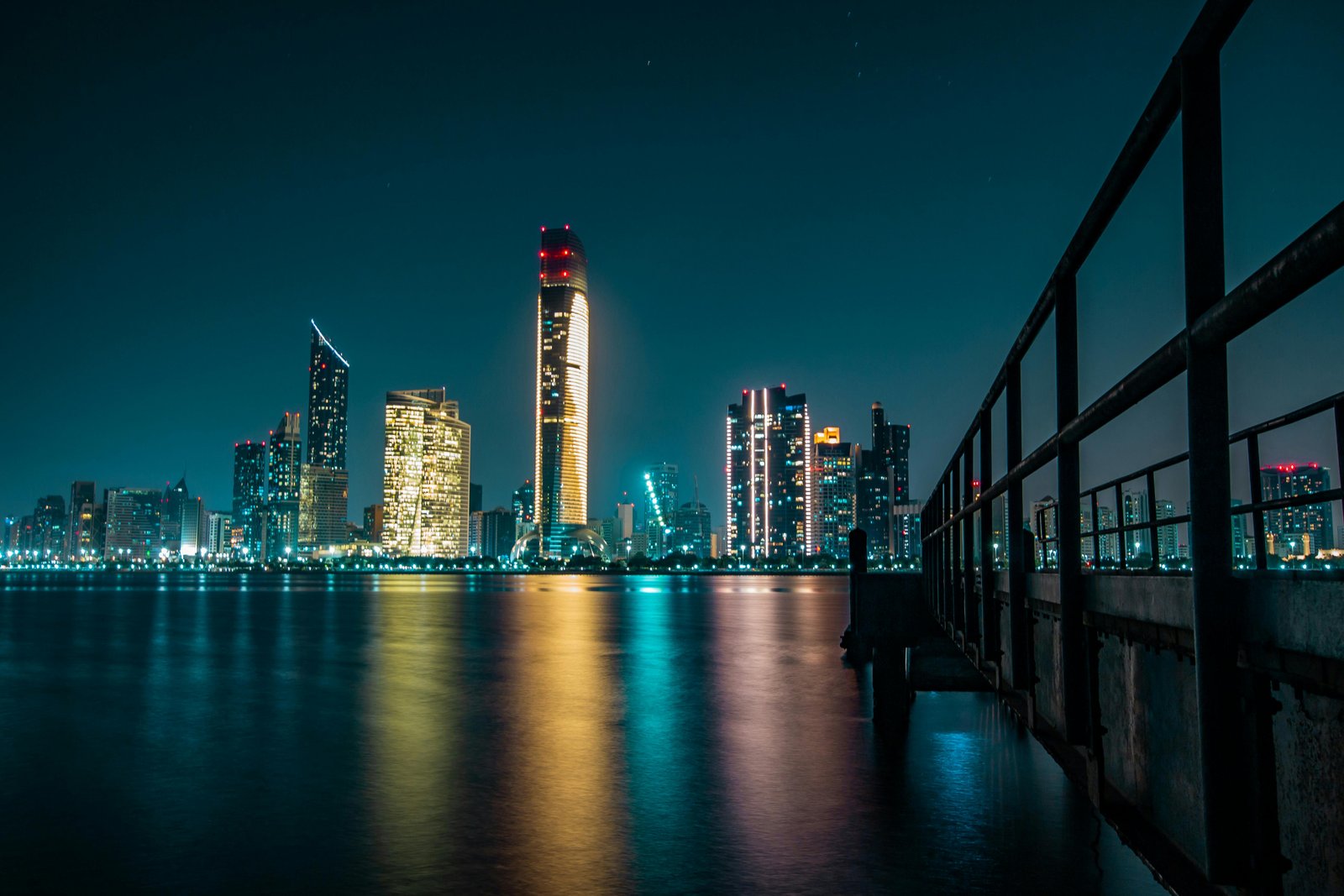
Located at the crossroads of the East and West, the United Arab Emirates (UAE) is known for its dynamic economy, diverse culture, and modern infrastructure. One of its prominent emirates, Abu Dhabi, serves as the capital and the political hub of the country. Understanding and adhering to the Arab law and regulations in Abu Dhabi is crucial for individuals and businesses seeking to operate in this vibrant city. Legal System in Abu Dhabi, UAE: The legal system in Abu Dhabi is a combination of Islamic (Sharia) law, civil law, and elements of common law. Islamic law is a significant influence on the legal framework in the UAE, impacting various aspects of personal and family matters. Civil law principles, on the other hand, govern commercial and contractual relationships. The UAE’s legal system aims to balance traditional values with modern practices to create a stable and conducive environment for business and society. Business Regulations and Licensing: For individuals and businesses looking to establish a presence in Abu Dhabi, understanding the local regulations is paramount. Foreign companies seeking to operate in Abu Dhabi need to comply with the requirements set by the UAE authorities. This includes obtaining the necessary licenses, permits, and approvals from the relevant government bodies. Working with legal advisors who are familiar with the local laws and regulations can help streamline the process and ensure compliance. Employment Laws and Practices: Employment laws in Abu Dhabi govern various aspects of the employer-employee relationship, including recruitment, contracts, working hours, and termination. Understanding these laws is essential for both employers and employees to navigate the labor market effectively. Employers must adhere to regulations related to working conditions, wages, and benefits, while employees are entitled to certain rights and protections under the law. Real Estate and Property Laws: The real estate sector in Abu Dhabi is a key driver of the economy, attracting investors and developers from around the world. Property laws and regulations in Abu Dhabi govern the buying, selling, leasing, and development of real estate assets. Foreign investors should be aware of the legal requirements associated with property ownership, land use, and construction to avoid any complications or disputes in the future. Conclusion: In conclusion, navigating Arab law and regulations in Abu Dhabi, UAE requires a comprehensive understanding of the legal system, business regulations, employment laws, and property regulations. By staying informed and seeking professional advice when needed, individuals and businesses can operate smoothly and compliantly in this dynamic city. Adhering to the laws and regulations not only ensures legal compliance but also contributes to building a positive reputation and sustainable business practices in Abu Dhabi. You can also check following website for more information about this subject: https://www.chatarabonline.com
https://egyptwn.com
https://vollmacht.org
Leave a Comment:
SEARCH
Recent News
- Zurich, Switzerland and Tunisia are two countries that are geographically distant but connected through various global issues and news events. Let's take a look at some of the recent news coming out of these two diverse locations.
- Switzerland is widely known for its breathtaking landscapes, high standard of living, and efficient public transportation system. Zurich, the largest city in Switzerland, perfectly embodies these characteristics and offers visitors a unique blend of culture, history, and natural beauty. In this Tunisian travel guide to Zurich, we will explore some of the must-visit attractions, delicious cuisine to try, and practical tips for making the most of your trip.
- Zurich, Switzerland is a charming city known for its stunning architecture, picturesque landscapes, and vibrant culture. It is a popular destination for tourists from all over the world, offering a mix of historical sites, modern amenities, and breathtaking natural beauty. One of the must-visit places in Zurich is the old town, where you can stroll through narrow cobblestone streets lined with shops, cafes, and historic buildings.
- Zurich, Switzerland is a vibrant city known for its rich cultural scene and diverse music offerings. One unique aspect of Zurich's music scene is the presence of Sudanese music, which has found a home in the city's melting pot of cultures.
- Zurich, Switzerland is a vibrant city known for its picturesque landscapes, rich history, and diverse cultural scene. One fascinating aspect of Zurich's cultural tapestry is the influence of Sudanese culture in the city.
- Zurich, Switzerland is known for its multicultural atmosphere and diverse culinary scene. One of the lesser-known gems of Zurich's food scene is Sudanese cuisine. Sudanese cuisine is a reflection of the country's diverse cultural influences, blending Arabic, African, and Mediterranean flavors to create a unique and delicious culinary experience.
- Zurich, Switzerland, is a vibrant city known for its scenic beauty, rich history, and thriving business environment. One interesting aspect of Zurich's business landscape is the presence of Sudanese entrepreneurs who have made their mark in various industries in the city.
- Rebuilding Syria's Economy After the Dictatorship: Lessons from Zurich, Switzerland
READ MORE
11 months ago Category :

Zurich, Switzerland and Tunisia are two countries that are geographically distant but connected through various global issues and news events. Let's take a look at some of the recent news coming out of these two diverse locations.
Read More →11 months ago Category :

Switzerland is widely known for its breathtaking landscapes, high standard of living, and efficient public transportation system. Zurich, the largest city in Switzerland, perfectly embodies these characteristics and offers visitors a unique blend of culture, history, and natural beauty. In this Tunisian travel guide to Zurich, we will explore some of the must-visit attractions, delicious cuisine to try, and practical tips for making the most of your trip.
Read More →11 months ago Category :

Zurich, Switzerland is a charming city known for its stunning architecture, picturesque landscapes, and vibrant culture. It is a popular destination for tourists from all over the world, offering a mix of historical sites, modern amenities, and breathtaking natural beauty. One of the must-visit places in Zurich is the old town, where you can stroll through narrow cobblestone streets lined with shops, cafes, and historic buildings.
Read More →11 months ago Category :
