Arab Influence in Uzbekistan: A Reflection of Cultural Exchange
Category : | Sub Category : Posted on 2024-11-05 22:25:23
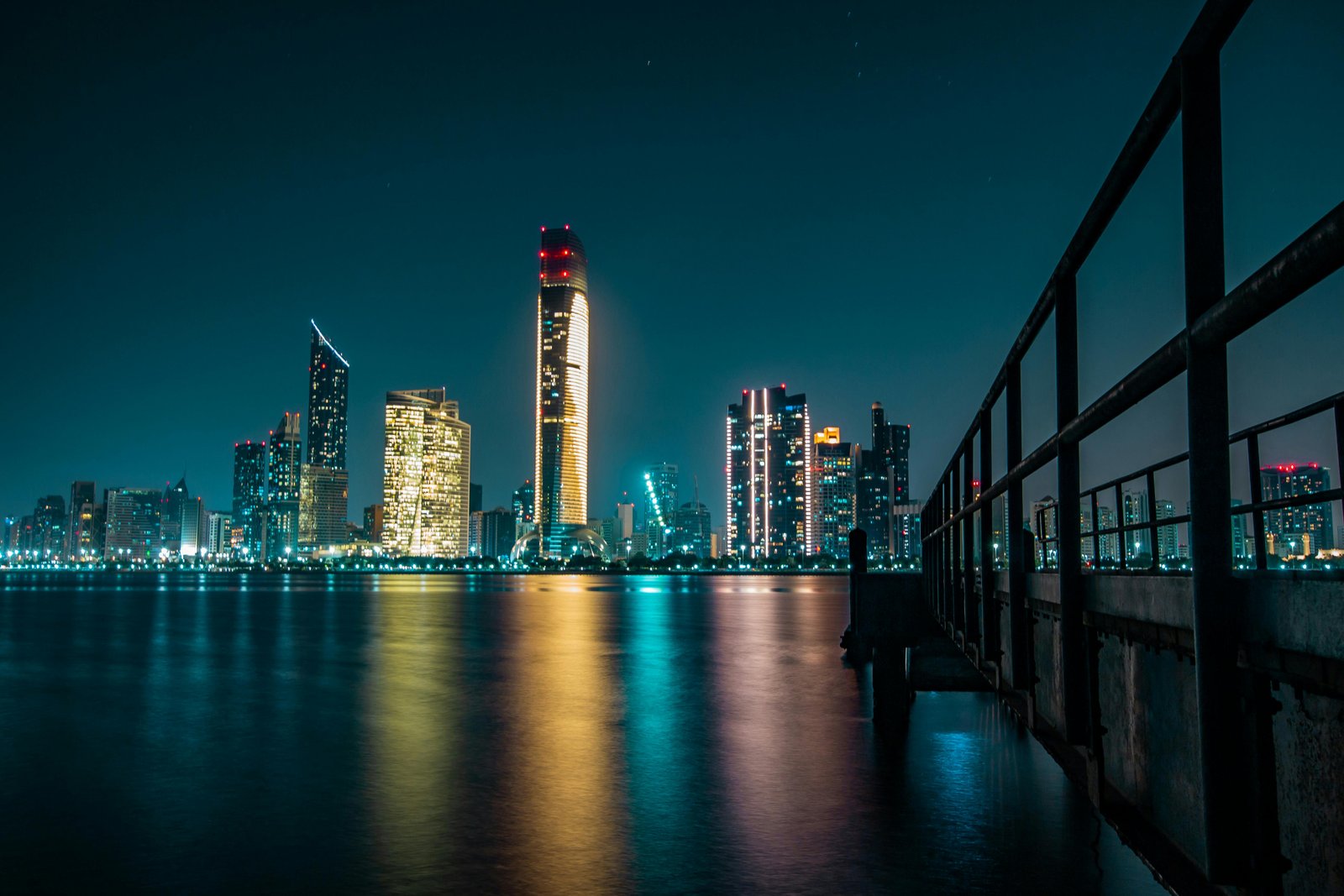
When we think of Uzbekistan, we often picture grandiose silk road cities, intricate Islamic architecture, and vibrant bazaars filled with colorful textiles and spices. However, what many people may not realize is the significant influence of Arab culture in shaping the identity of this Central Asian country. One of the key connections between Uzbekistan and the Arab world lies in their shared history of trade and exchange along the ancient Silk Road. The Silk Road was a network of trade routes that connected the East and West, allowing for the exchange of goods, ideas, and culture. Arab traders played a crucial role in this network, bringing with them their language, religion, and customs to the lands they traversed. This cultural exchange can be seen in Uzbekistan's architecture, cuisine, and language. The domed mosques and minarets that dot the Uzbek landscape are a testament to the influence of Arab architecture. The intricate tile work, arabesque patterns, and calligraphy found in these structures reflect the artistic traditions of the Arab world. Uzbek cuisine is another area where Arab influence is evident. Dishes like plov (pilaf), samsa (stuffed pastries), and shashlik (grilled meat skewers) have similarities to Arab dishes like biryani, samosas, and kebabs. The abundant use of spices such as cumin, coriander, and turmeric in Uzbek cooking also reflects the Arab culinary palette. Additionally, the Arabic language has left its mark on Uzbekistan, particularly in areas related to religion and scholarship. Many Uzbek words related to Islamic practices and teachings have Arabic roots, highlighting the linguistic exchange between the two cultures. In recent years, the ties between Uzbekistan and the Arab world have continued to strengthen, particularly in the realm of tourism and investment. The growing interest in Uzbekistan's rich cultural heritage, coupled with the country's efforts to attract foreign visitors, has led to an influx of Arab tourists to cities like Samarkand, Bukhara, and Khiva. Furthermore, economic partnerships between Uzbekistan and Arab countries, such as the United Arab Emirates (UAE) and Saudi Arabia, have resulted in significant investments in sectors like infrastructure, energy, and tourism. For instance, Abu Dhabi's investment in Uzbekistan's renewable energy projects and hospitality industry has helped boost the country's economy and create new opportunities for collaboration. In conclusion, the relationship between Uzbekistan and the Arab world is a testament to the power of cultural exchange and mutual respect. The Arab influence in Uzbekistan, spanning architecture, cuisine, language, and beyond, serves as a reminder of the interconnectedness of diverse societies and the richness that emerges when different cultures come together. As Uzbekistan continues to celebrate its heritage and welcome visitors from around the world, the enduring impact of Arab culture will undoubtedly remain a vibrant thread in the tapestry of this historically rich nation. If you are interested you can check https://www.uuae.org Dropy by for a visit at the following website https://www.chatarabonline.com
https://egyptwn.com
Leave a Comment:
SEARCH
Recent News
- Zurich, Switzerland and Tunisia are two countries that are geographically distant but connected through various global issues and news events. Let's take a look at some of the recent news coming out of these two diverse locations.
- Switzerland is widely known for its breathtaking landscapes, high standard of living, and efficient public transportation system. Zurich, the largest city in Switzerland, perfectly embodies these characteristics and offers visitors a unique blend of culture, history, and natural beauty. In this Tunisian travel guide to Zurich, we will explore some of the must-visit attractions, delicious cuisine to try, and practical tips for making the most of your trip.
- Zurich, Switzerland is a charming city known for its stunning architecture, picturesque landscapes, and vibrant culture. It is a popular destination for tourists from all over the world, offering a mix of historical sites, modern amenities, and breathtaking natural beauty. One of the must-visit places in Zurich is the old town, where you can stroll through narrow cobblestone streets lined with shops, cafes, and historic buildings.
- Zurich, Switzerland is a vibrant city known for its rich cultural scene and diverse music offerings. One unique aspect of Zurich's music scene is the presence of Sudanese music, which has found a home in the city's melting pot of cultures.
- Zurich, Switzerland is a vibrant city known for its picturesque landscapes, rich history, and diverse cultural scene. One fascinating aspect of Zurich's cultural tapestry is the influence of Sudanese culture in the city.
- Zurich, Switzerland is known for its multicultural atmosphere and diverse culinary scene. One of the lesser-known gems of Zurich's food scene is Sudanese cuisine. Sudanese cuisine is a reflection of the country's diverse cultural influences, blending Arabic, African, and Mediterranean flavors to create a unique and delicious culinary experience.
- Zurich, Switzerland, is a vibrant city known for its scenic beauty, rich history, and thriving business environment. One interesting aspect of Zurich's business landscape is the presence of Sudanese entrepreneurs who have made their mark in various industries in the city.
- Rebuilding Syria's Economy After the Dictatorship: Lessons from Zurich, Switzerland
READ MORE
11 months ago Category :

Zurich, Switzerland and Tunisia are two countries that are geographically distant but connected through various global issues and news events. Let's take a look at some of the recent news coming out of these two diverse locations.
Read More →11 months ago Category :

Switzerland is widely known for its breathtaking landscapes, high standard of living, and efficient public transportation system. Zurich, the largest city in Switzerland, perfectly embodies these characteristics and offers visitors a unique blend of culture, history, and natural beauty. In this Tunisian travel guide to Zurich, we will explore some of the must-visit attractions, delicious cuisine to try, and practical tips for making the most of your trip.
Read More →11 months ago Category :

Zurich, Switzerland is a charming city known for its stunning architecture, picturesque landscapes, and vibrant culture. It is a popular destination for tourists from all over the world, offering a mix of historical sites, modern amenities, and breathtaking natural beauty. One of the must-visit places in Zurich is the old town, where you can stroll through narrow cobblestone streets lined with shops, cafes, and historic buildings.
Read More →11 months ago Category :
