Transforming Lives with Advanced Arm Prosthetics in Abu Dhabi, UAE through Industrial Automation
Category : | Sub Category : Posted on 2024-11-05 22:25:23
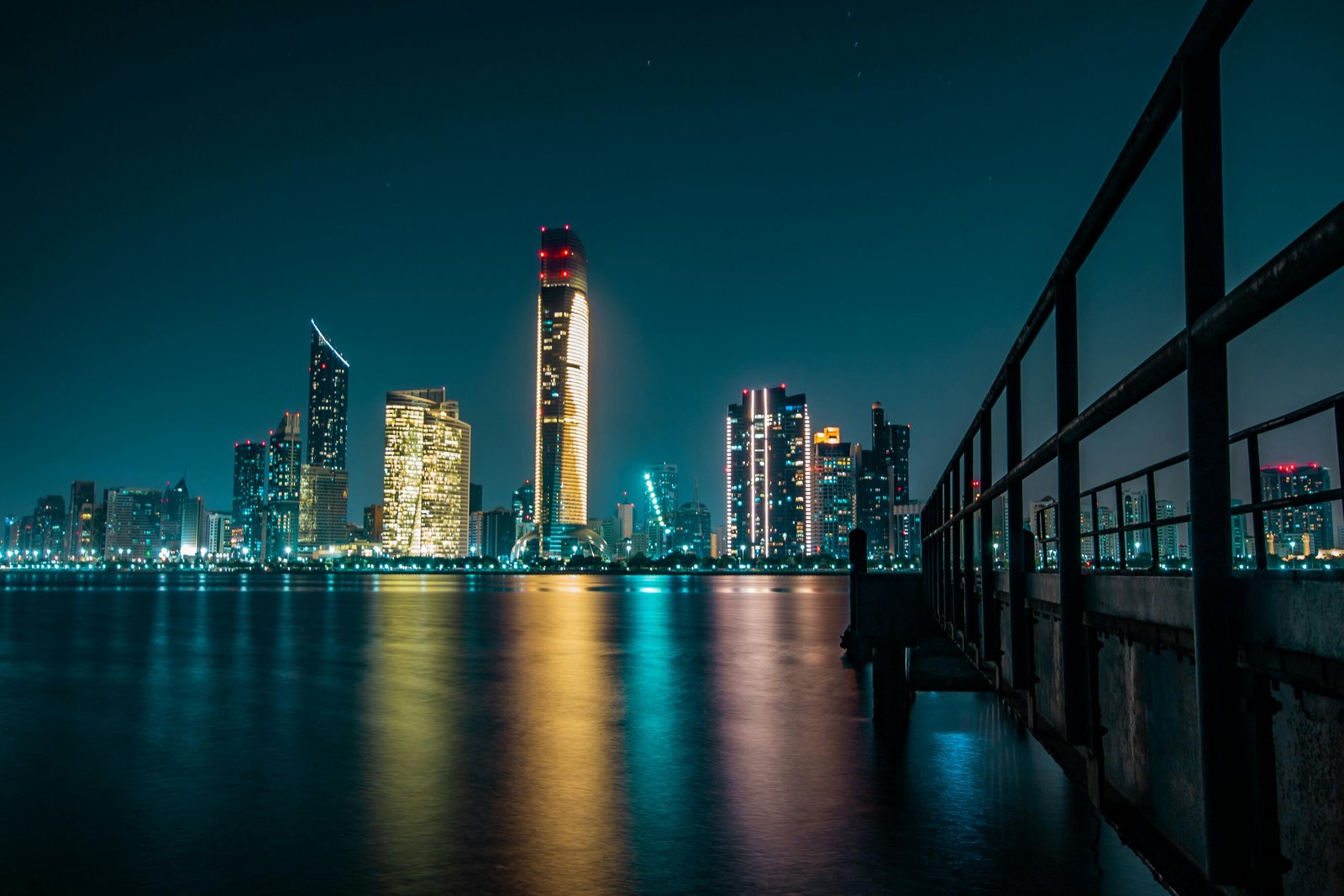
In recent years, the field of prosthetics has seen remarkable advancements, especially in the development of arm prosthetics that aim to seamlessly integrate with the human body and restore functionality to individuals who have experienced limb loss. This progress has been particularly evident in Abu Dhabi, UAE, where industrial automation technologies are revolutionizing the manufacturing and customization of these life-changing devices. Industrial automation plays a crucial role in the production of arm prosthetics by streamlining the manufacturing processes, ensuring precision, and enhancing efficiency. Through the use of advanced robotic systems, 3D printing technology, and computer-aided design (CAD) software, prosthetic limbs can be customized to meet the unique needs and specifications of each individual patient. This level of personalization and precision would not have been possible without the integration of industrial automation in the prosthetics industry. One of the key benefits of industrial automation in arm prosthetics is the ability to produce prosthetic limbs at a faster pace while maintaining high quality standards. By automating tasks that were once done manually, such as molding and shaping prosthetic components, manufacturers can significantly reduce production times and meet the growing demand for these devices in Abu Dhabi and beyond. Moreover, industrial automation has enabled advancements in the design and functionality of arm prosthetics. Engineers and researchers are constantly exploring new materials, sensors, and technologies to enhance the performance and comfort of prosthetic limbs. By harnessing the power of automation, these innovations can be seamlessly integrated into the manufacturing process, paving the way for cutting-edge prosthetic solutions that offer improved mobility and functionality to users. The impact of advanced arm prosthetics in Abu Dhabi, UAE, goes beyond the physical realm, as these devices have the potential to transform the lives of individuals who have lost a limb. By providing users with greater independence, mobility, and confidence, prosthetic limbs empower them to pursue their goals, engage in daily activities, and participate more fully in society. Industrial automation plays a vital role in making these life-changing devices more accessible and affordable to those in need. In conclusion, the integration of industrial automation in the production of arm prosthetics in Abu Dhabi, UAE, represents a significant leap forward in the field of prosthetics. By leveraging cutting-edge technologies and manufacturing processes, manufacturers can create personalized, high-quality prosthetic limbs that enhance the lives of individuals with limb loss. As advancements in industrial automation continue to drive innovation in the prosthetics industry, we can look forward to a future where prosthetic solutions are not just functional but truly transformative for users.
Leave a Comment:
SEARCH
Recent News
- Zurich, Switzerland and Tunisia are two countries that are geographically distant but connected through various global issues and news events. Let's take a look at some of the recent news coming out of these two diverse locations.
- Switzerland is widely known for its breathtaking landscapes, high standard of living, and efficient public transportation system. Zurich, the largest city in Switzerland, perfectly embodies these characteristics and offers visitors a unique blend of culture, history, and natural beauty. In this Tunisian travel guide to Zurich, we will explore some of the must-visit attractions, delicious cuisine to try, and practical tips for making the most of your trip.
- Zurich, Switzerland is a charming city known for its stunning architecture, picturesque landscapes, and vibrant culture. It is a popular destination for tourists from all over the world, offering a mix of historical sites, modern amenities, and breathtaking natural beauty. One of the must-visit places in Zurich is the old town, where you can stroll through narrow cobblestone streets lined with shops, cafes, and historic buildings.
- Zurich, Switzerland is a vibrant city known for its rich cultural scene and diverse music offerings. One unique aspect of Zurich's music scene is the presence of Sudanese music, which has found a home in the city's melting pot of cultures.
- Zurich, Switzerland is a vibrant city known for its picturesque landscapes, rich history, and diverse cultural scene. One fascinating aspect of Zurich's cultural tapestry is the influence of Sudanese culture in the city.
- Zurich, Switzerland is known for its multicultural atmosphere and diverse culinary scene. One of the lesser-known gems of Zurich's food scene is Sudanese cuisine. Sudanese cuisine is a reflection of the country's diverse cultural influences, blending Arabic, African, and Mediterranean flavors to create a unique and delicious culinary experience.
- Zurich, Switzerland, is a vibrant city known for its scenic beauty, rich history, and thriving business environment. One interesting aspect of Zurich's business landscape is the presence of Sudanese entrepreneurs who have made their mark in various industries in the city.
- Rebuilding Syria's Economy After the Dictatorship: Lessons from Zurich, Switzerland
READ MORE
11 months ago Category :

Zurich, Switzerland and Tunisia are two countries that are geographically distant but connected through various global issues and news events. Let's take a look at some of the recent news coming out of these two diverse locations.
Read More →11 months ago Category :

Switzerland is widely known for its breathtaking landscapes, high standard of living, and efficient public transportation system. Zurich, the largest city in Switzerland, perfectly embodies these characteristics and offers visitors a unique blend of culture, history, and natural beauty. In this Tunisian travel guide to Zurich, we will explore some of the must-visit attractions, delicious cuisine to try, and practical tips for making the most of your trip.
Read More →11 months ago Category :

Zurich, Switzerland is a charming city known for its stunning architecture, picturesque landscapes, and vibrant culture. It is a popular destination for tourists from all over the world, offering a mix of historical sites, modern amenities, and breathtaking natural beauty. One of the must-visit places in Zurich is the old town, where you can stroll through narrow cobblestone streets lined with shops, cafes, and historic buildings.
Read More →11 months ago Category :
